









Essay Portal

Explore a collection of philosophical writings on a wide variety of topics, contributed by writers from within and beyond Philosium. Non-English essays are available through local Philosium channels.
Continental philosophy
Existentialism
Phenomenology
Philosophy of Culture
Philosophy of Language
Self, Culture, and Language: a reading of Merleau-Ponty
Can we ever know ourselves without borrowing words and norms from others? Reading Merleau-Ponty's 1948 Talks, this essay asks how a self shaped by culture and language can still be free, and what remains of the "pure self."
Epistemology
Ethics & Moral philosophy
Essay on Iris Murdoch
You probably hurt someone today without noticing. Drawing on Iris Murdoch, this essay argues that we live in illusion, and that learning to see others as they truly are is not just an intellectual task but a moral duty.
Philosophy of Language
Political philosophy
Social philosophy
A Tale of a Prisoner
A prisoner confined in body may still feel free in mind. Through Foucault's account of power, language, and discourse, this essay locates freedom in the act of resisting the limits within which reality is conceived.
Philosophical Anthropology
Ethics & Moral philosophy
Philosophy of Technology
The Critique of Transhumanism in Magnifica Humanitas
Should humanity upgrade itself beyond its limits? Reading Pope Leo XIV's Magnifica Humanitas on secular ground, this essay challenges transhumanist promises of productivity, immortality, and a world without suffering.
Philosophical Anthropology
Epistemology
Philosophy of Mind
Why Should We Not Stop Thinking?
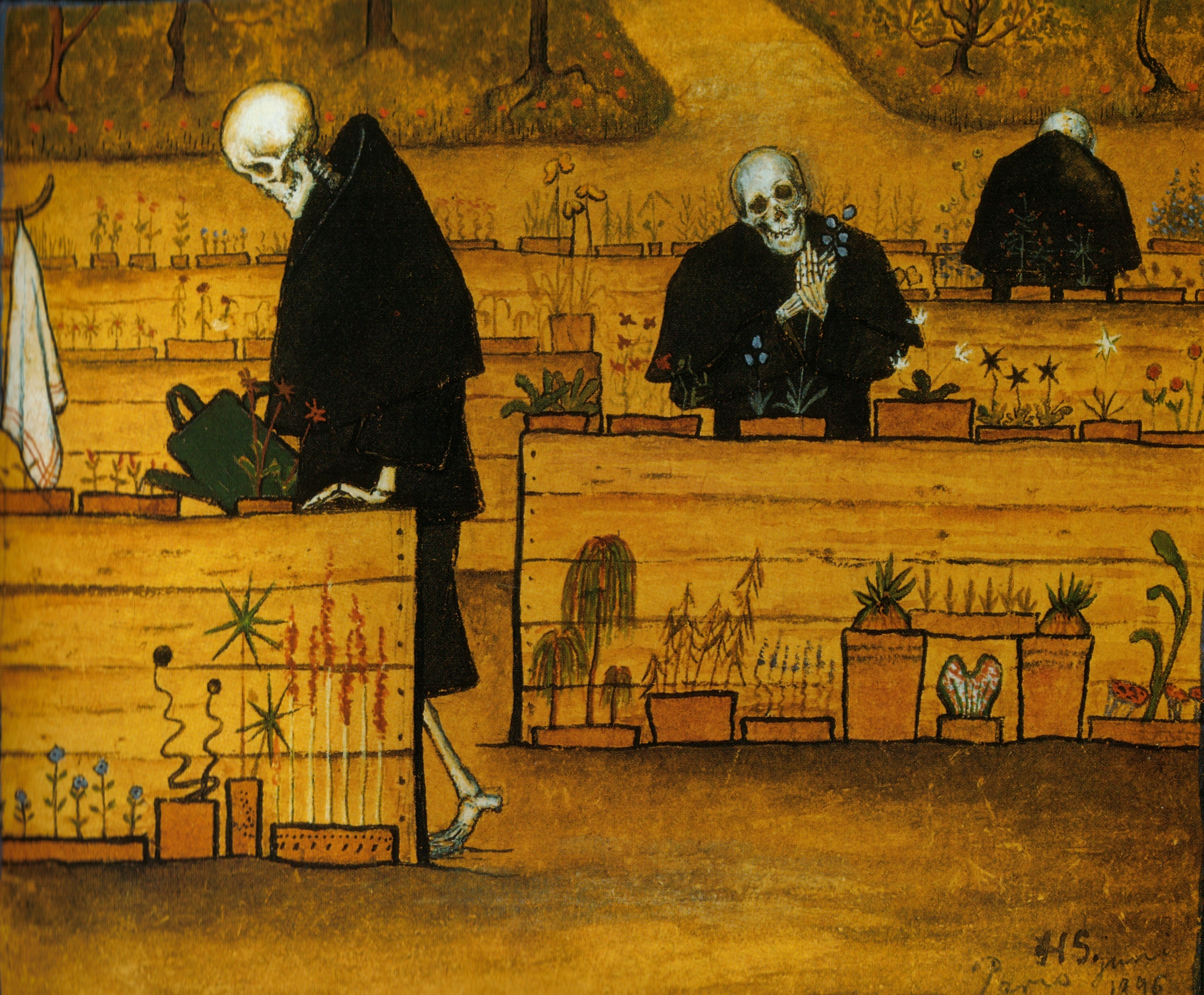
A frail reed in a vast universe, yet one that thinks. Taking Pascal's famous image as its guide, this essay explores why thought, rather than possessions or place, may be the true source of human dignity.
Ethics & Moral philosophy
Wrongness of Killing in an Epicurian Account of Death
If death is nothing to the one who dies, what makes killing wrong? Setting aside the harm of death, this essay finds the answer elsewhere: in what a society permitting killing would lose, namely trust and security.
Ethics & Moral philosophy
Metaphysics
Am I Bound By A Past Self’s Promise?
Between Fried's trust and Parfit's stranger, this essay argues that past self-promises are inherited trusts, kept only while the deep desires behind them still live, and retired without guilt once genuine growth has outgrown them.
Metaphilosophy
Philosophy of Education
We Must Imagine Sisyphus Posting: on the Dangers of Popularising Philosophy
In philosophy the argument is the conclusion, yet social media keeps only the quote. This essay shows how TikTok turns thinkers into moods, and what careful popularisation would look like instead.
Metaphysics
Philosophy of Religion
Did You Know that Green Beavers Built Dams on the River of Laughter?
A prose poem of burned voices, Elysian fields, and a river of laughter that is never in the poet's city. It explores whether holiness can be separated from decay and evil, or whether they are one and the same process.
Epistemology
Metaphysics
Philosophy of Language
On the Truth-Aptness of the Perceived and of the Actual as Inspired by Rorty
Rorty says only descriptions, never the world itself, can be true or false. This essay accepts the premise but resists the leap: no frame of reference can judge what lies outside it, so claims about "the world on its own" remain unfounded.
Philosophical Anthropology
Ethics & Moral philosophy
The Boundaries of Conscience and the Expanse of Reason: Nietzschean Ethics of Authenticity
The essay interprets Nietzsche’s critique of conscience as a warning against using emotional comfort to excuse failure. It argues that authentic living requires embracing the full range of emotional experience, then evaluating it through reason to move closer to truth and self-understanding.
Ethics & Moral philosophy
Philosophy of Technology
The Fragmentation of Reason: Ethics vs Instrumentality in the Modern Society
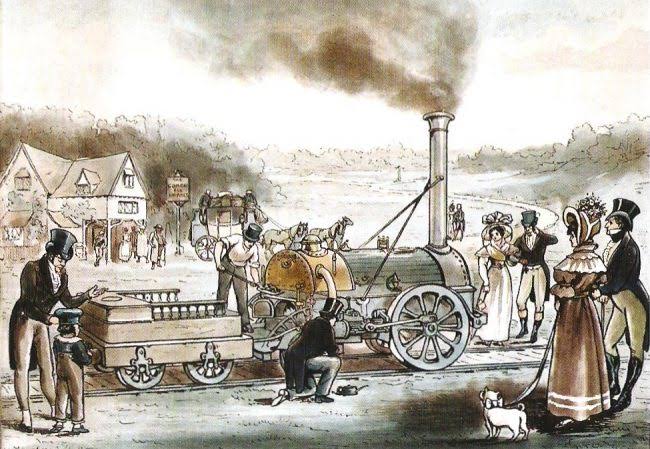
Reason makes us free, yet reason alone can endanger that freedom. Using Oppenheimer as a case study, this essay distinguishes instrumental from ethical reason and defends self-imposed limits as the condition of lasting human freedom.

How Do I Submit My Essay?

Anyone is welcome to submit an essay, regardless of age, academic background, or topic. Philosium values originality, philosophical depth, and clarity.

No academic affiliation or publication history required.
Any philosophical topic, no exceptions.
Open 365 days a year, no deadlines.
Essays promoting violence, hatred, or harm will not be accepted.

How Submission Works

Submitting to Philosium follows a simple, transparent process — designed to respect both your time and the seriousness of your work.

1

Create your free account on philosium.com.

2

Write your essay directly in the Philosium editor — structure it freely, and edit it as much as you want before submitting.

3

Submit it for review, whenever you’re ready.

4

Our editorial team reviews it, following a public moderation charter available to everyone — expect a response within 72 hours.

5

Once validated, your essay is published — and remains editable even after going live!

There is no word limit or fixed method — every branch of philosophy, every tradition, and every mode of argument is welcome, from formal logic to dialogue to thought experiment.

Your work must be original. If you cite sources, include citations in-text or in a Works Cited section, using any style (MLA, Chicago, etc.), as long as the original authors are properly credited.

If an essay isn’t accepted, we explain why, and you’re welcome to revise it and resubmit. Please don’t hesitate to submit your work — we greatly appreciate your contribution.

Your edit request has been sent to our team for review.

Your delete request has been sent to our team for review.