







Essay Portal

Explore a collection of philosophical writings on a wide variety of topics, contributed by writers from within and beyond Philosium. Non-English essays are available through local Philosium channels.
Ethics & Moral philosophy
Philosophy of Action
Is it Better to Commit Injustice or to Suffer It?
Socrates would rather suffer injustice than commit it. Weighing material self-interest against Kantian moral duty, this essay shows the verdict is not universal: once moral conscience enters each person's calculation, the answer shifts with the circumstances.
Early modern philosophy
Epistemology
Philosophy of Technology
Political philosophy
Knowledge and Society in the Age of Artificial Intelligence: A Baconian Perspective
Bacon warned that language distorts knowledge. AI, built entirely from human language, may fulfil his dream of organised knowledge while amplifying these distortions. This essay reads misinformation, opacity, and technocratic power through his "Idols of the Marketplace".
Ethics & Moral philosophy
Metaphysics
Philosophy of Action
On Freedom
Starting from Le Guin's claim that the universe is not a machine, this essay weighs Kant's hybrid will, Freud's psychic determinism, and Sartre's bad faith, before turning to the Taoist idea of Wu Wei, to argue that freedom without reason lacks direction.
Epistemology
Feminist philosophy
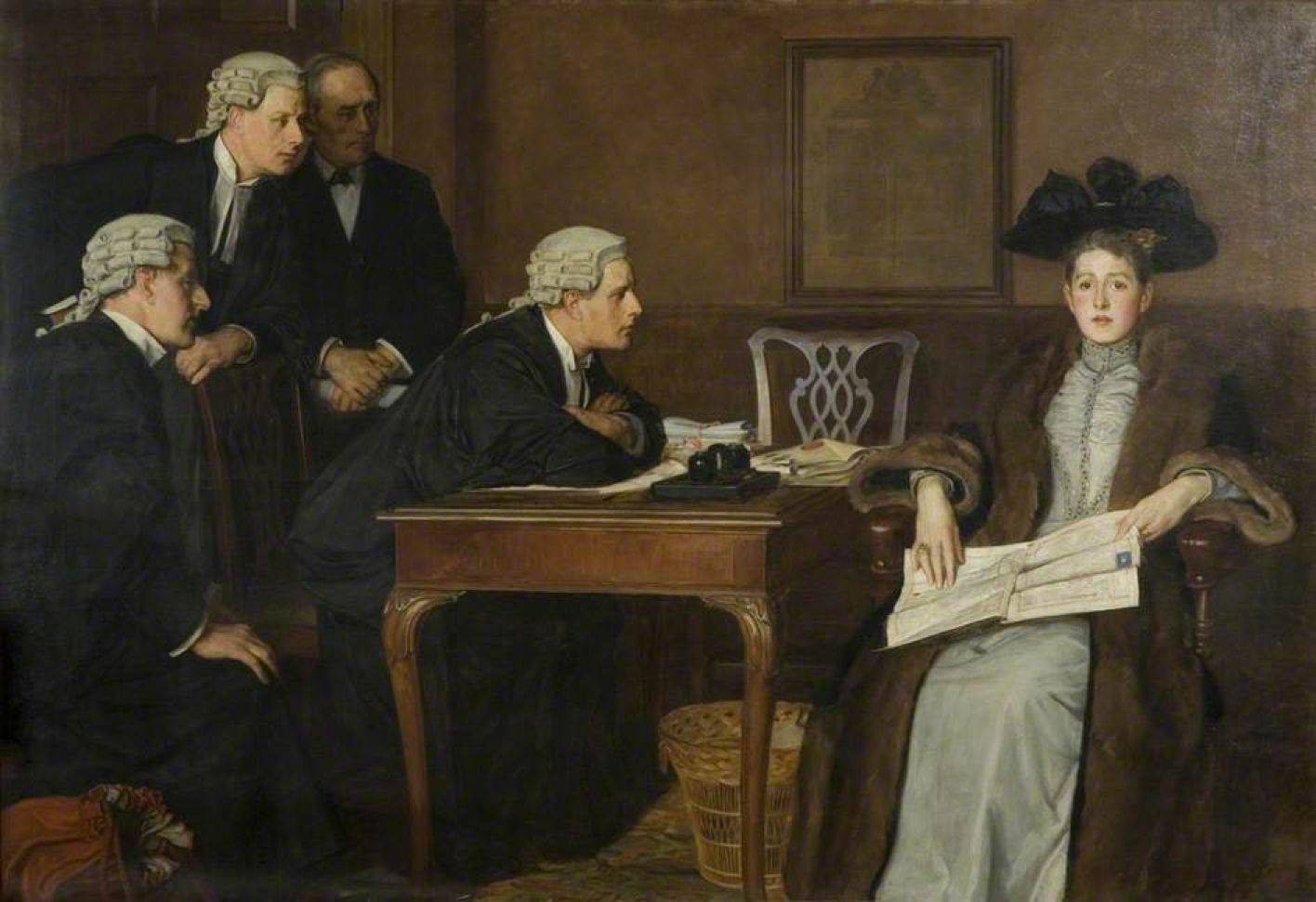
The World as Socially Perceived and Produced: a Feminist Approach to the Impossibility of Marginalized Worlds
What if there is no single objective world to find, only worlds made through perception shaped by language and power? Through a feminist lens, this essay shows how marginalized worlds are rendered "impossible," and why the real task may be making them possible.
Decolonial philosophy
Feminist philosophy
Social philosophy
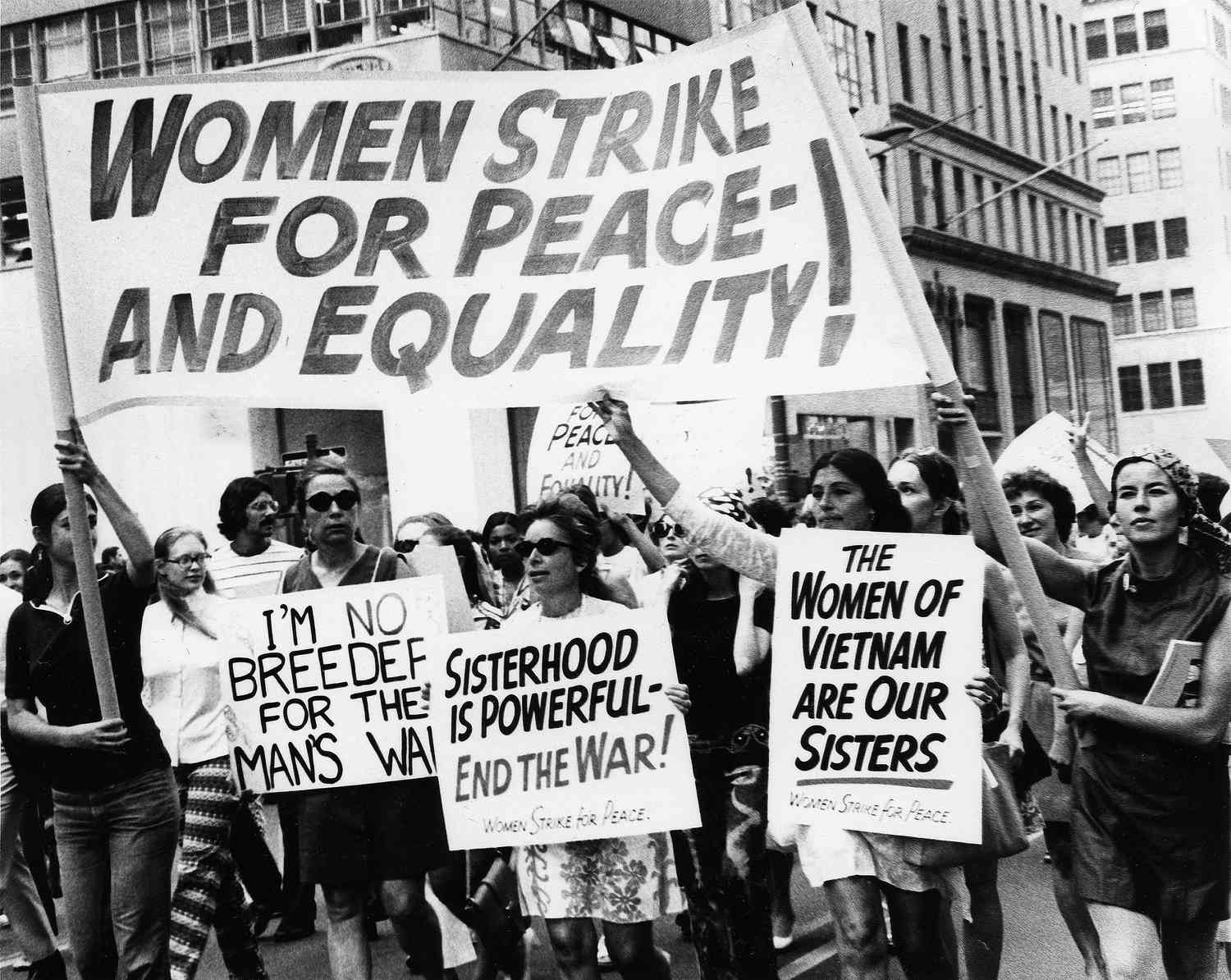
Toward a Feminist Critique of Patriarchal Mythopoesis: Counter-Logocentric Subjectivities and Biopolitical Embodiment in Cutrufelli, Carson and Doyle
Literature rewrites the myths that made women "ungrammatical" subjects. Through Carson's doubled Helen and Cutrufelli's four mothers, can auto/myth/biography restore women's epistemic agency, and reimagine surrogacy as a collective act?
Epistemology
Metaphysics
Living Through the Phenomenon
Murdoch calls finding reality life's great task, yet Kant's veil of phenomena puts the noumenon beyond reach. Can a task that cannot be completed still be worth pursuing? Weighing ignorance and hedonism against it, this essay answers yes: to pursue is to understand within our limits.
German Idealism
Metaphysics
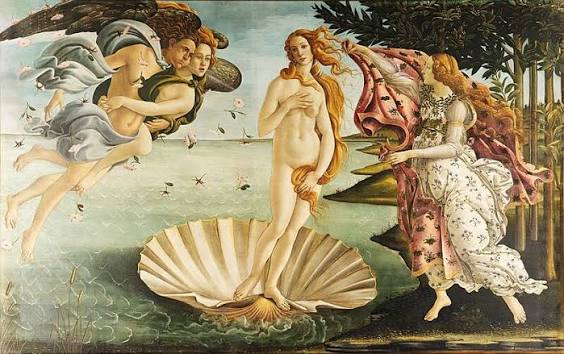
The Flower of the Infinite: Conceiving the Knowing and Social Subject after Blaise Pascal
Pascal claims thought lets us grasp the universe, yet thought itself is grounded in being. Following Schelling and St. Basil, this essay argues that the true, the good, and the beautiful are one act of Being, and that our dignity lies in moving toward a shared, unconditioned possession.
Ethics & Moral philosophy
Philosophy of Action
What guides my action?
Is my action guided by desire or by reason? Starting from a cake shared between a child and a mother, this essay argues that choice is caught in a conflict between pleasure and morality, and that what decides is where each person stands between these two poles.
Ethics & Moral philosophy
Phenomenology
Social philosophy
Between Self and Space: Dignity, Alterity, and the Modern Condition of Freedom and Reason in our Society
Pascal locates dignity in thought, but society invented the very concept of dignity. Drawing on Levinas's "face of the Other," this essay shows how digital life dissolves the ethical encounter, and why identity and alterity must be held together.
Epistemology
Philosophy of Economics
Philosophy of Science
Social Sciences: Prediction or Premonition?
Social sciences claim the rigor of prediction, yet many of their findings resemble premonition. Comparing sociology to alchemy and economics to crystal-ball forecasting, this essay argues that scientific authority can become a form of magical thinking, and that the world's magic is not dispelled.
Epistemology
Philosophy of Technology
The End of History: for real this time
Fukuyama declared history's end in liberal democracy; this essay proposes another ending. As information floods the digital age, the amount of events outpaces our capacity to understand them, and distrust erodes truth itself. Will we escape this bottleneck, or return to a neo-medieval world?
Epistemology
Truth Wouldn’t Exist Without Humans
Many believe some truths, like 1 + 1 = 2, would hold even without minds. This essay argues that, on most theories of truth, truth requires truth-bearers such as propositions, which depend on minds, so truth could not exist without humans. Yet the argument itself leaves open whether propositions might be eternal.

How Do I Submit My Essay?

Anyone is welcome to submit an essay, regardless of age, academic background, or topic. Philosium values originality, philosophical depth, and clarity.

No academic affiliation or publication history required.
Any philosophical topic, no exceptions.
Open 365 days a year, no deadlines.
Essays promoting violence, hatred, or harm will not be accepted.

How Submission Works

Submitting to Philosium follows a simple, transparent process — designed to respect both your time and the seriousness of your work.

1

Create your free account on philosium.com.

2

Write your essay directly in the Philosium editor — structure it freely, and edit it as much as you want before submitting.

3

Submit it for review, whenever you’re ready.

4

Our editorial team reviews it, following a public moderation charter available to everyone — expect a response within 72 hours.

5

Once validated, your essay is published — and remains editable even after going live!

There is no word limit or fixed method — every branch of philosophy, every tradition, and every mode of argument is welcome, from formal logic to dialogue to thought experiment.

Your work must be original. If you cite sources, include citations in-text or in a Works Cited section, using any style (MLA, Chicago, etc.), as long as the original authors are properly credited.

If an essay isn’t accepted, we explain why, and you’re welcome to revise it and resubmit. Please don’t hesitate to submit your work — we greatly appreciate your contribution.

Your edit request has been sent to our team for review.

Your delete request has been sent to our team for review.