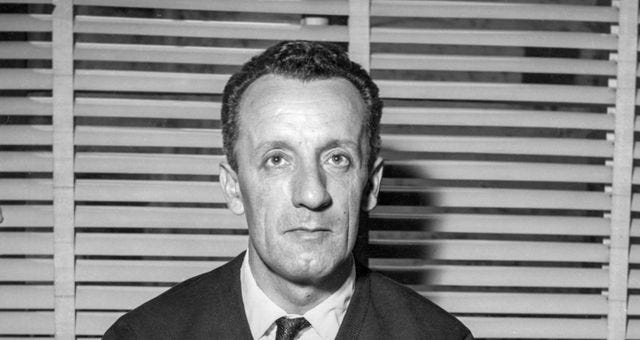

Sacha Pierluigi
Sacha co-founded Philosium in 2024, driven by the conviction that philosophy is not an academic luxury but one of the conditions of freedom of thought and of dialogue between peoples. Having experienced first-hand how philosophical discussion transforms the way one understands the world and engages with it, he wants every young person to have access to that experience, regardless of their country, language, or social background. Among other things, he now looks after Philosium’s identity and voice, from the logo to the website.
This commitment grew out of his involvement in the International Philosophy Olympiad (IPO). In 2024, he represented France at the Helsinki edition in Finland, where he won the IPO Logo Contest by designing the official identity of the International Philosophy Olympiad. In 2025, he took part in the Bari edition in Italy as a volunteer. He has since continued this engagement with the Swiss Philosophy Olympiad, where he grades essays and coaches candidates. Convinced that philosophy benefits from circulating across borders, he also initiates numerous projects with delegations from different countries.
He is pursuing a double bachelor’s degree in Law and Political Science at Paris 1 Panthéon-Sorbonne University, where he enjoys bringing the rigor of law and political thought into dialogue with the great questions of philosophy. He deepened this interest during a placement at a European think tank in Brussels, where he worked on political, cultural, and philosophical issues surrounding European integration.
As for his reading, he is drawn to phenomenology, an approach to philosophy that starts from lived experience rather than from theories, in order to describe how the world truly appears to us. Merleau-Ponty is his favorite author: for him, thinking begins with the body and perception. He finds an echo of this in the Kyoto School, particularly in Nishida Kitarō, who, at the same time on the other side of the world, sought to think through “pure experience,” the experience that precedes the split between subject and object. Two traditions that barely knew of one another, yet arrived at a similar insight: thinking begins where we are truly in the world, before any theory.
Academic background
Contributions